Private Photography Safaris in Namibia
Discover
the time to wait,
the freedom to return —
and a journey shaped
around the way
photographers travel.
Photography Changes the Journey
A good photography safari is not a normal safari with more camera equipment. Photography changes how the journey is planned and how each day unfolds.
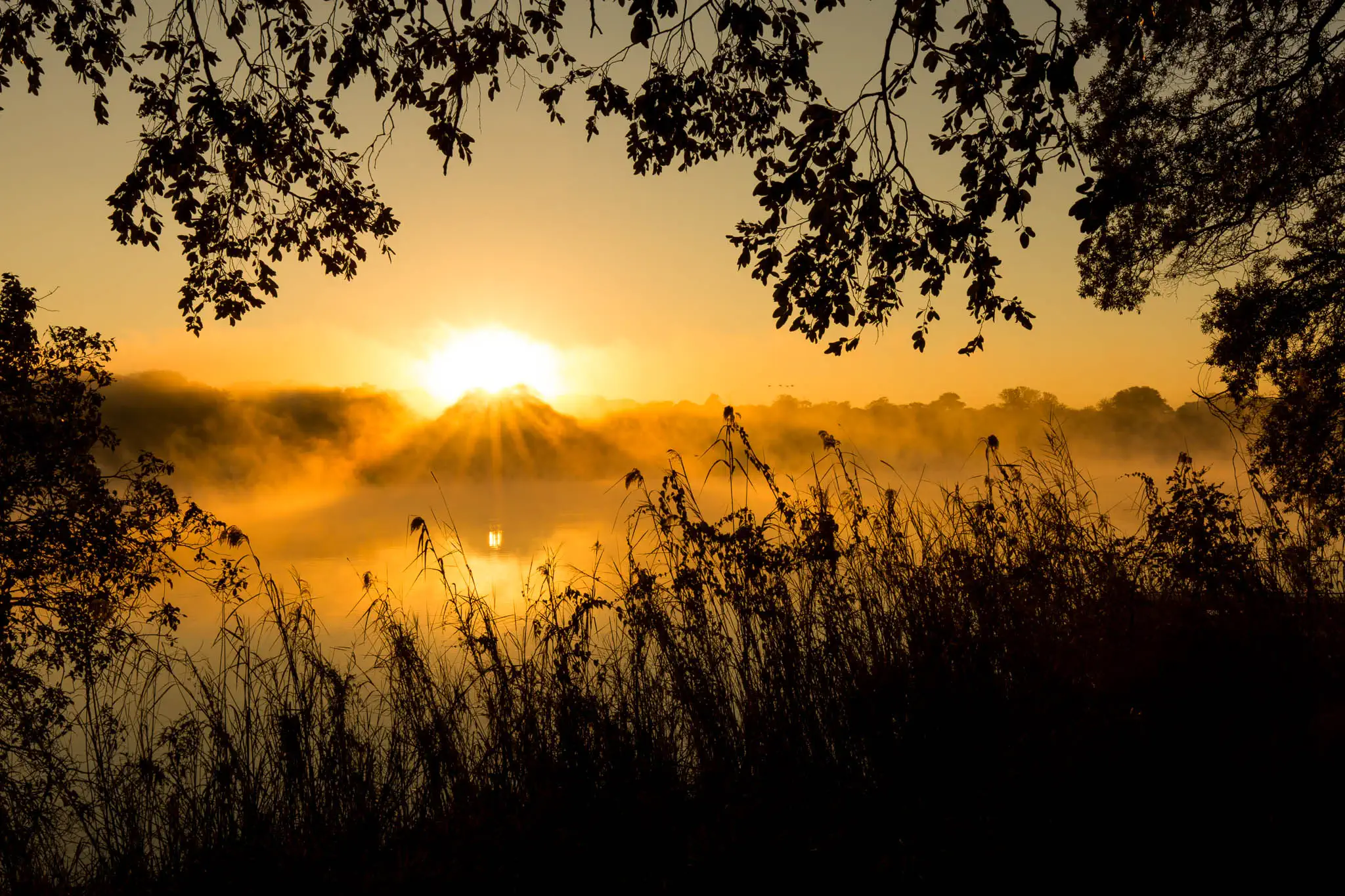
The best light rarely lasts long. Wildlife does not appear on schedule, and an interesting encounter may deserve far more time than expected. Sometimes it makes sense to return to the same place the following morning, wait beside a quiet waterhole, or change the plan because conditions give us a reason to.
A private journey gives us that freedom.
Rather than trying to include as many destinations as possible, we can spend more time in fewer places. The route can be shaped around what you want to photograph, the season and the conditions we are likely to encounter.
I have spent decades photographing wildlife, landscapes and people, and photography has become inseparable from the way I travel. I pay attention to light, behaviour and what is happening around us, but I also know that good photographs often require something less complicated: patience, time and the freedom not to move on too quickly.
The journey is still about discovering Namibia. Photography simply changes the way we travel through it.
Wildlife, Landscapes & People
Namibia offers an extraordinary range of subjects within a single journey.
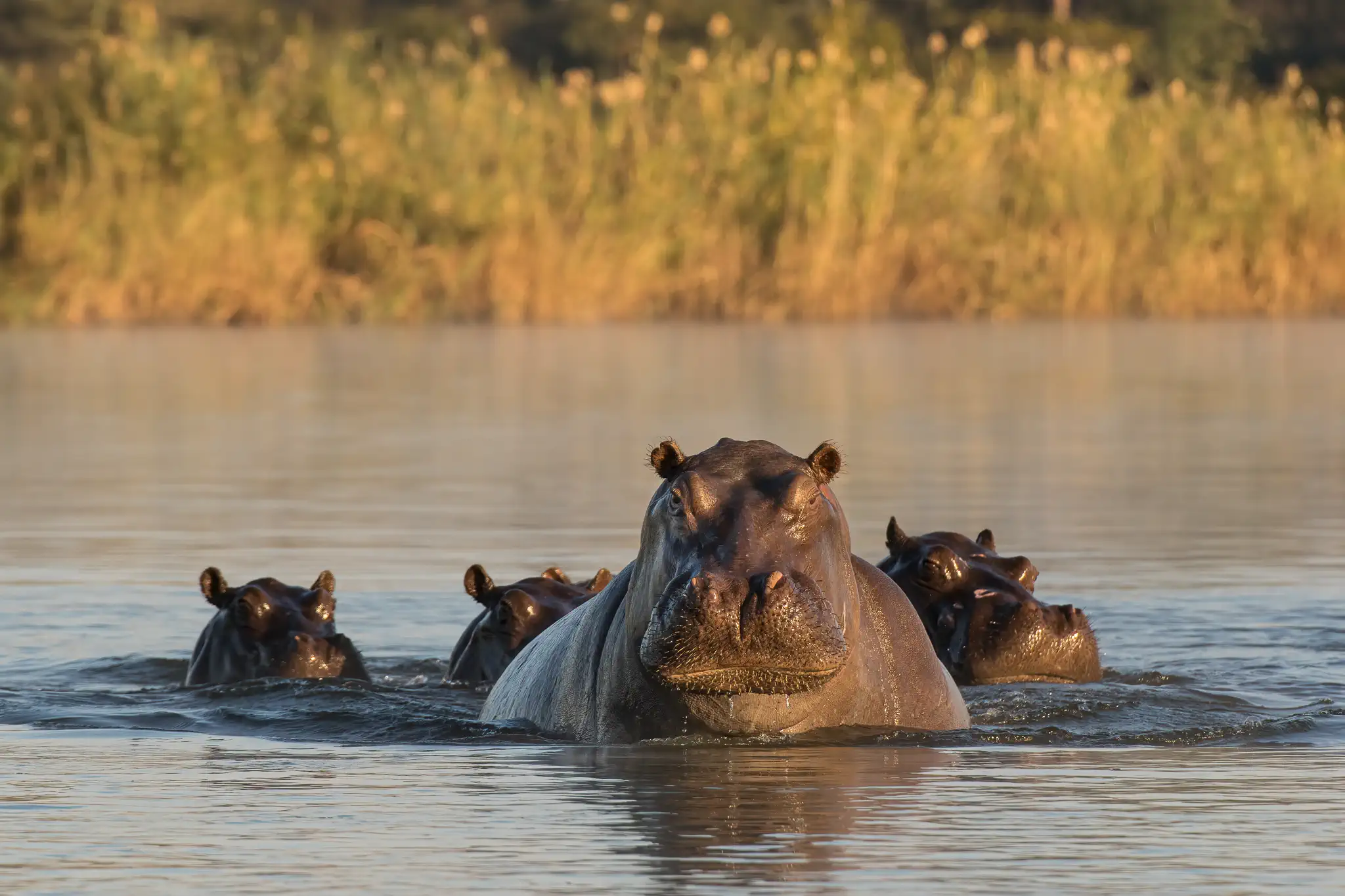
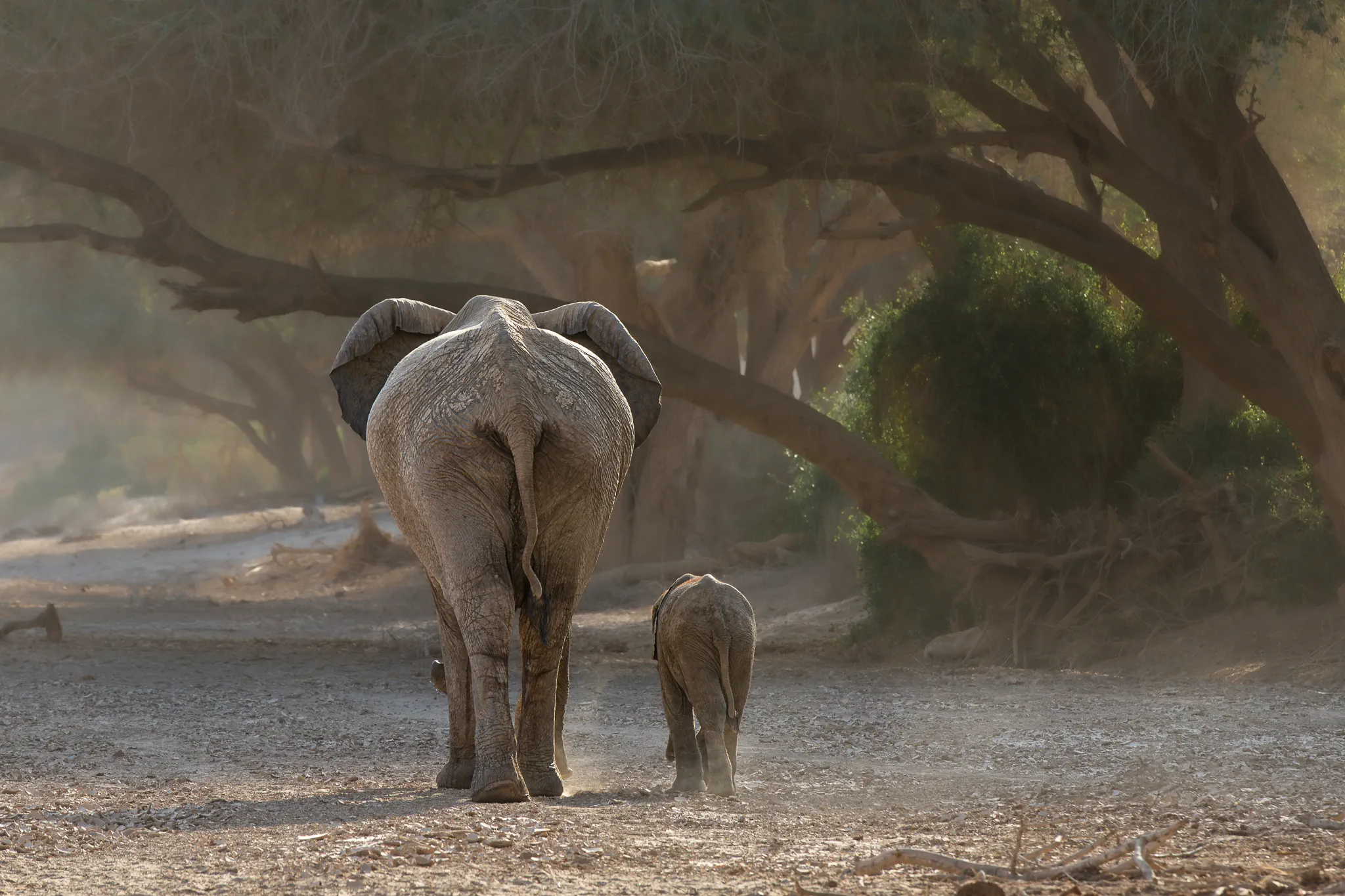
In Etosha National Park, wildlife gathers around waterholes where observation and patience can matter more than covering large distances. In Kaokoland and Damaraland, desert-adapted elephants, giraffes and other wildlife move through vast landscapes where the environment becomes an important part of the image.
The dunes and clay pans of Sossusvlei and Deadvlei offer a very different kind of photography, shaped by form, texture and the movement of light across the desert. At Spitzkoppe, granite peaks rise above the plains and change character throughout the day.
Along the Atlantic coast, flamingos gather in shallow lagoons, seals occupy beaches in large numbers and some of the most interesting subjects are the small animals that have adapted to life among the dunes.
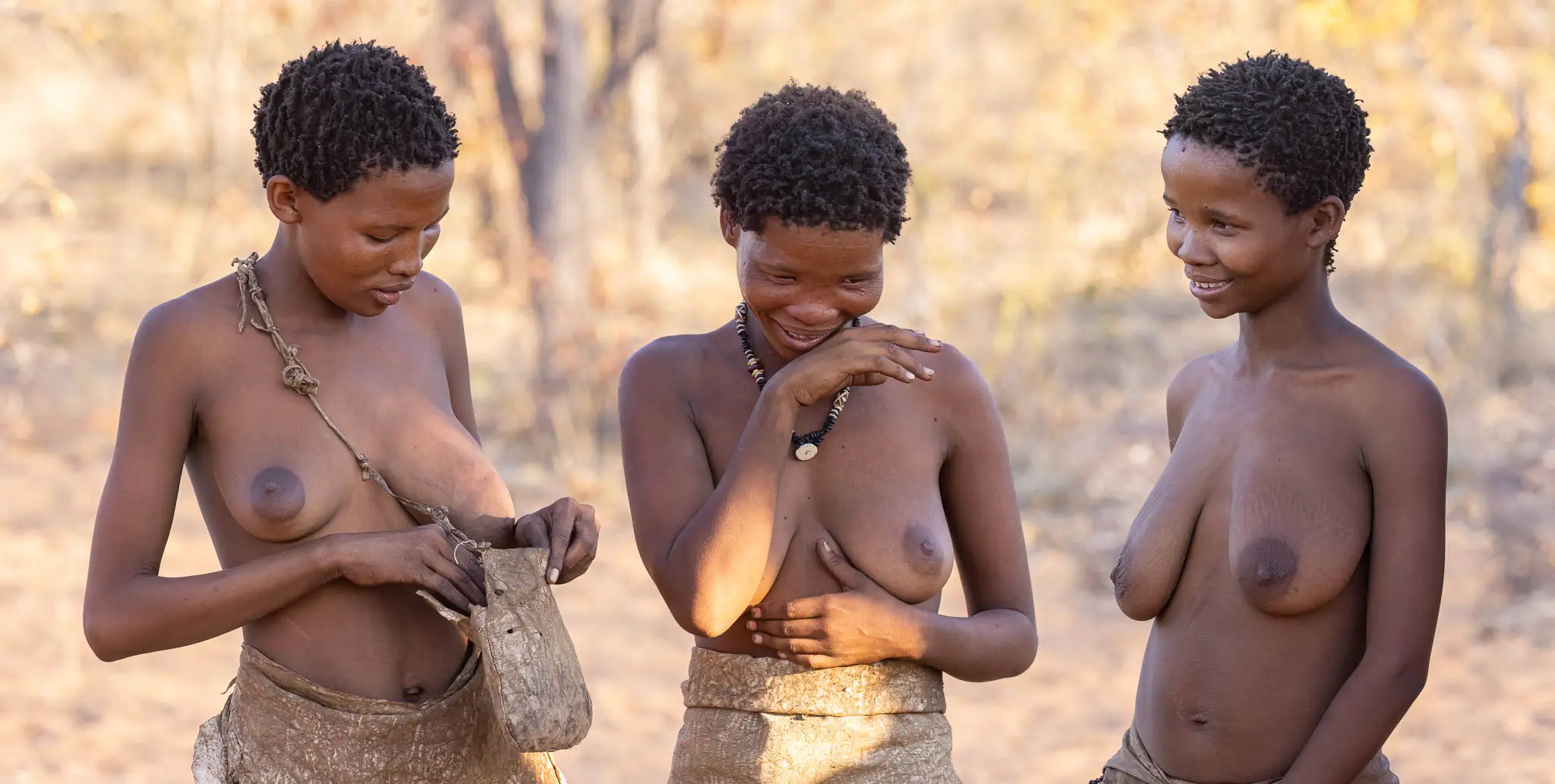
For photographers interested in people and culture, journeys into remote parts of Namibia can also offer opportunities for more documentary work. These encounters require time, respect and genuine interest. They are not arranged simply to produce photographs.
A journey can focus strongly on wildlife, landscapes or people. For many photographers, however, Namibia’s attraction lies in the possibility of combining all three.
Wildlife, Landscapes & People
Namibia offers an extraordinary range of subjects within a single journey.
In Etosha National Park, wildlife gathers around waterholes where observation and patience can matter more than covering large distances. In Kaokoland and Damaraland, desert-adapted elephants, giraffes and other wildlife move through vast landscapes where the environment becomes an important part of the image.
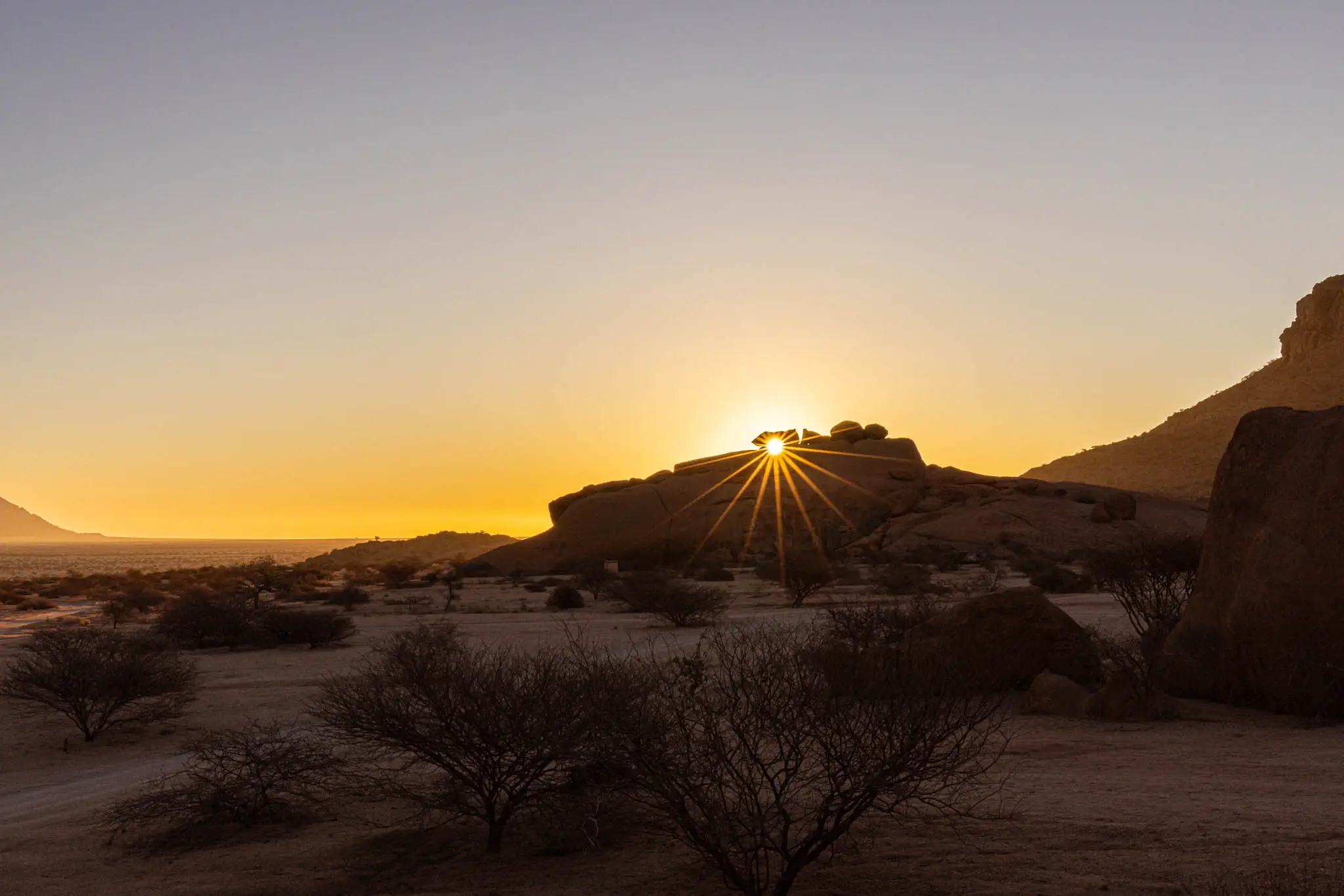
The dunes and clay pans of Sossusvlei and Deadvlei offer a very different kind of photography, shaped by form, texture and the movement of light across the desert. At Spitzkoppe, granite peaks rise above the plains and change character throughout the day.
Along the Atlantic coast, flamingos gather in shallow lagoons, seals occupy beaches in large numbers and some of the most interesting subjects are the small animals that have adapted to life among the dunes.
For photographers interested in people and culture, journeys into remote parts of Namibia can also offer opportunities for more documentary work. These encounters require time, respect and genuine interest. They are not arranged simply to produce photographs.
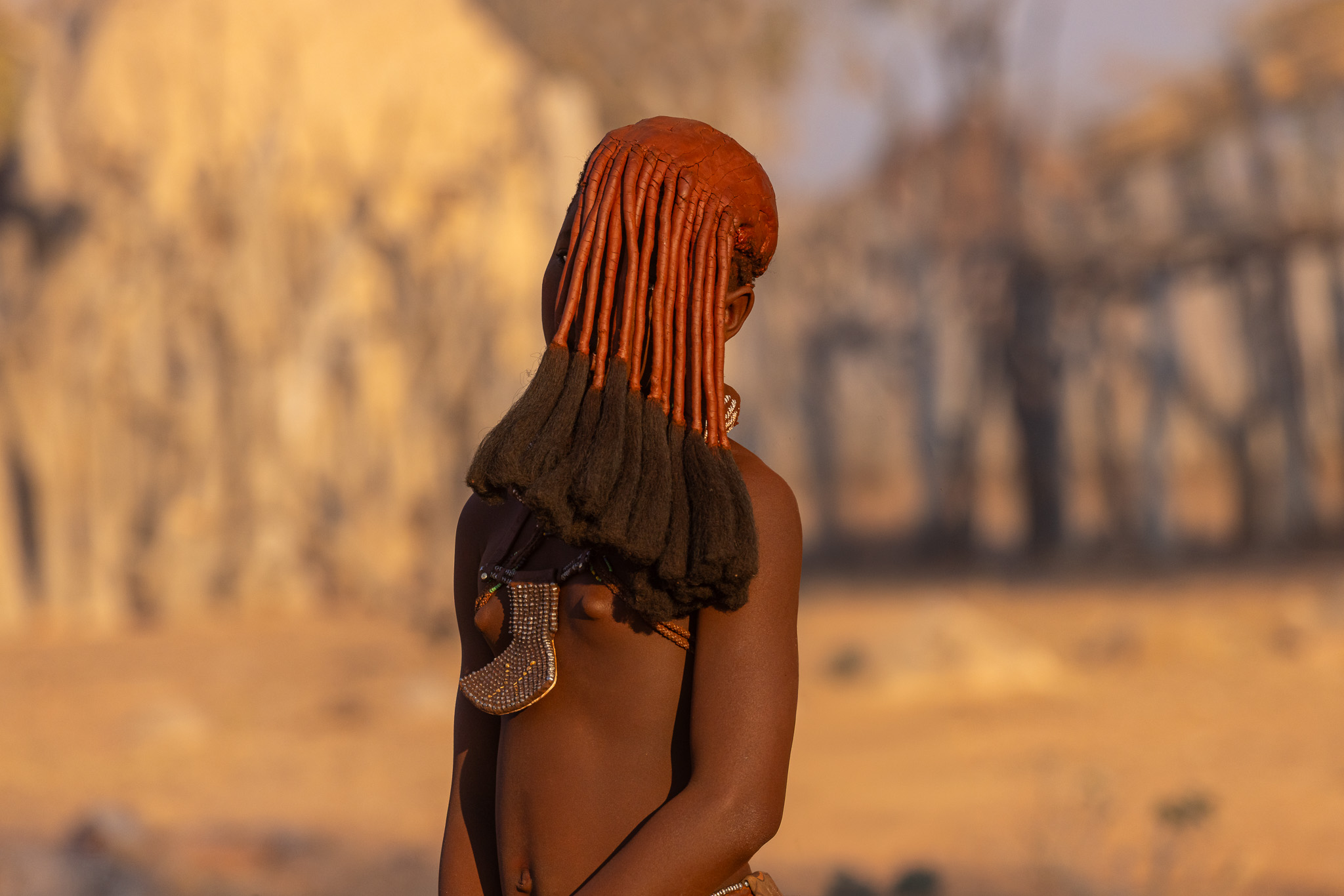
A journey can focus strongly on wildlife, landscapes or people. For many photographers, however, Namibia’s attraction lies in the possibility of combining all three.
Time, Light & Patience
Photography gives the day a different rhythm.
There are mornings when we leave before sunrise because there is a reason to be somewhere before the light arrives. Elsewhere, wildlife activity may determine when we start and how long we stay.
We may spend several hours beside a waterhole rather than moving from one to the next. We may stop because clouds are beginning to change the landscape, wait to see how an animal behaves, or return to a location because the conditions were not right the first time.
The advantage of a private journey is that these decisions do not need to suit a group of strangers.
If something interesting is happening, we can stay. If there is a reason to return, we can return. And if a chameleon crossing the road becomes an unexpected photography session, there is no schedule forcing us to move on.
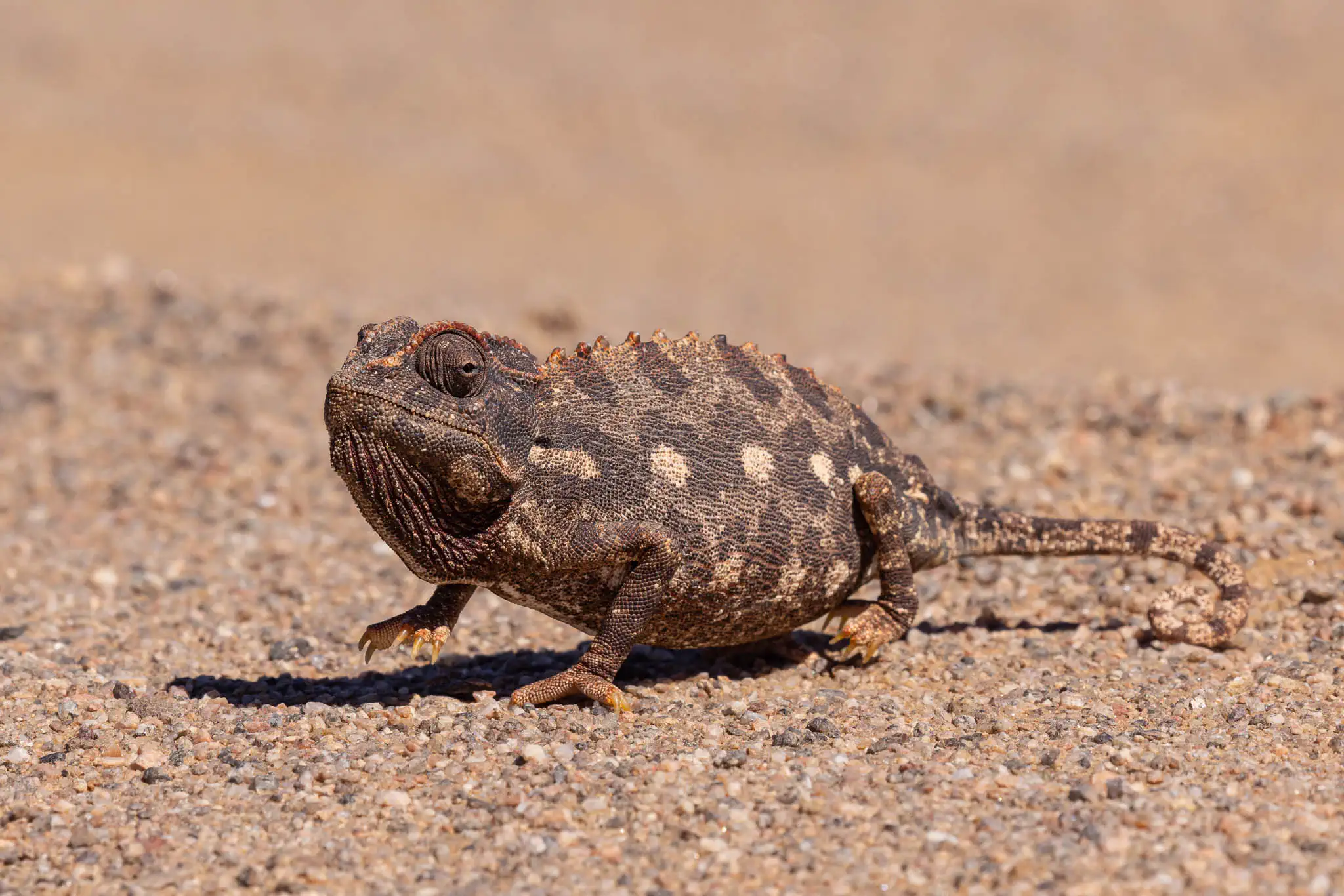
Not every day needs to be planned around sunrise and sunset, and not every stop needs to produce a photograph. Long drives through changing landscapes, conversations along the way and evenings around the fire remain part of the journey.
Photography matters, but it does not need to consume everything around it.
A Photography Journey, Not a Workshop
These journeys are designed around photographers, but they are not conventional photography workshops.
My role is to create and lead a journey that understands what photographers need: the right route and season, enough time in each place, flexibility in the day and the freedom to respond when wildlife, weather or an unexpected opportunity gives us a reason to change the plan.
Experienced photographers can work entirely independently. There are no scheduled lessons, group image reviews or editing sessions.
At the same time, I am always happy to share my experience. If you are still becoming confident with your equipment or want practical help in the field, I can assist with camera settings, exposure, autofocus, lens choice and other technical questions as they arise.
The balance depends on you. Some photographers simply want the journey, access and flexibility to work in their own way. Others appreciate practical help from time to time.
The emphasis remains on being in the right places, under the best conditions we can find, with enough time to photograph them properly.
Travelling with Camera Equipment
Travelling with photography equipment requires some practical thought, particularly on longer or more remote journeys.
The vehicle needs enough space for cameras and lenses to remain protected but accessible. Batteries need to be charged, equipment protected from dust, and images stored and backed up along the way.
These details are considered when planning the journey and choosing the vehicle setup.
Depending on the route and accommodation, equipment can be charged on the road, at camp and in lodges. Longer journeys can also be planned with enough time for backing up images, cleaning equipment and dealing with the less glamorous realities of travelling with cameras in dusty environments.
If you travel with large telephoto lenses or other specialist equipment, it is useful to discuss this in advance. The more I know about how you work, the better the journey and vehicle can be planned around it.
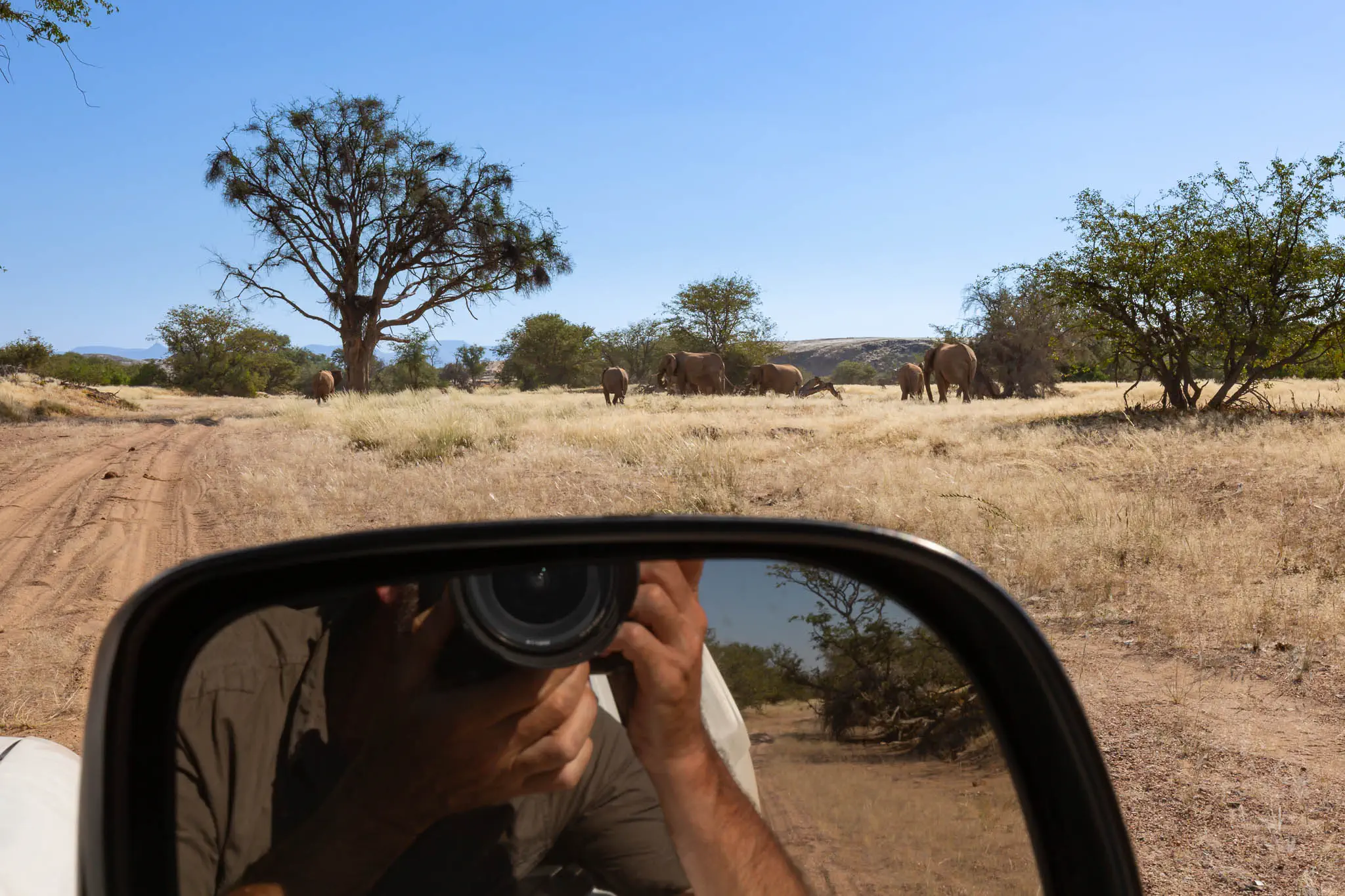
When Only One of You Is a Photographer
Not everyone travelling together needs to be equally interested in photography.
A private safari can work particularly well for couples where one person is a serious photographer and the other simply wants to enjoy Namibia without spending three weeks on a formal photography tour.
Because there is no fixed workshop programme, we can find a balance. Time spent photographing wildlife or waiting for good light can be combined with walking, boat trips, cultural encounters, comfortable lodges, quiet camps and the simple pleasure of travelling through the country.
This is worth discussing when we shape the journey. The aim is not for one person to spend the expedition waiting for the photographer to finish, nor for the photographer to feel constantly rushed.
A good journey should work for both.
Shaping a Photography Journey
There is no single route for a photography safari in Namibia.
For a first journey, the classic route offers remarkable variety. We may photograph the dunes and desert landscapes of Sossusvlei, explore the Atlantic coast, spend time among the granite formations of Spitzkoppe, travel through the dry river systems of Damaraland and watch wildlife around the waterholes of Etosha National Park.
A more exploratory expedition might concentrate on Kaokoland and the remote northwest, where desert-adapted wildlife moves through enormous landscapes and the journey itself presents constant photographic possibilities.
Other photographers may want to spend more time around Etosha’s waterholes, explore the rivers and wetlands of the Zambezi Region, concentrate on landscapes or build a journey with a stronger interest in people and documentary photography.
The right route depends on what draws you to Namibia, the season and the time available. Trying to photograph everything in one journey usually means giving too little time to any of it.
The starting point is a conversation about what interests you and how you like to work. From there, we can shape a journey that gives photography the time and attention it needs, while still allowing Namibia itself to remain at the centre of the expedition.
Is This Photography Safari for You?
This journey is for photographers who value time, flexibility and the freedom to respond to changing conditions.
You do not need to be a professional photographer, and you do not need the latest equipment. You may have years of experience and know exactly what you want to photograph, or you may simply enjoy photography and want more time and practical support than a conventional safari usually allows.
The journey can be shaped almost entirely around photography, or photography can be one important part of a wider expedition through Namibia.
What matters more than your level of experience is curiosity, patience and an interest in spending time with a subject rather than moving quickly from one photographic opportunity to the next.
If you have particular subjects, regions or images in mind, tell me what draws you to Namibia. We can begin there and shape the journey around it.