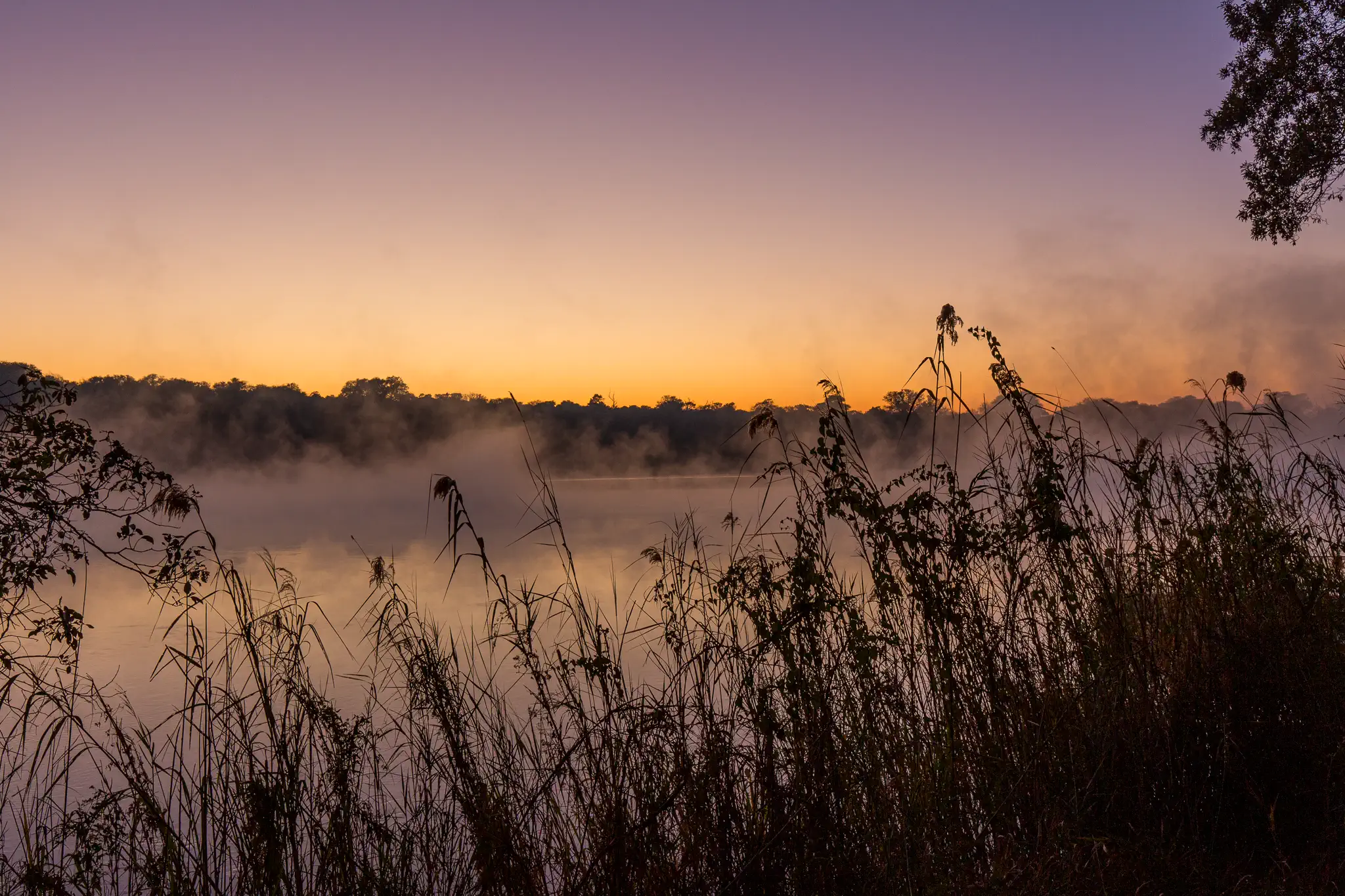
Zambezi & the River Country
Discover
rivers, floodplains and forests —
where water shapes the landscape
and wildlife moves across
borders without boundaries.
A Different Side of Namibia
The northeast feels very different from the Namibia most travellers imagine.
After the deserts, gravel plains and dry mountains of the west, the landscape gradually becomes greener. Woodlands line the road, villages become more frequent and permanent rivers support wildlife and communities across a much broader region.
The Kavango, Kwando and Zambezi rivers shape this part of the country. Along their banks and floodplains we find elephants, buffalo, hippos, crocodiles and exceptional birdlife, while the surrounding woodland supports wildlife that moves across a much larger landscape extending into neighbouring countries.
The way we explore changes as well. Wildlife drives through woodland and floodplains can be combined with river cruises and mokoro trips, allowing us to experience the region from both land and water.
For me, the journey east is about more than reaching another wildlife destination. The changing landscapes, the communities along the road and the contrast with the rest of Namibia are all part of what makes the northeast so interesting.
Beyond the Veterinary Fence
Another side of Namibia
Travelling northeast, the change begins before we reach the rivers and wildlife reserves.
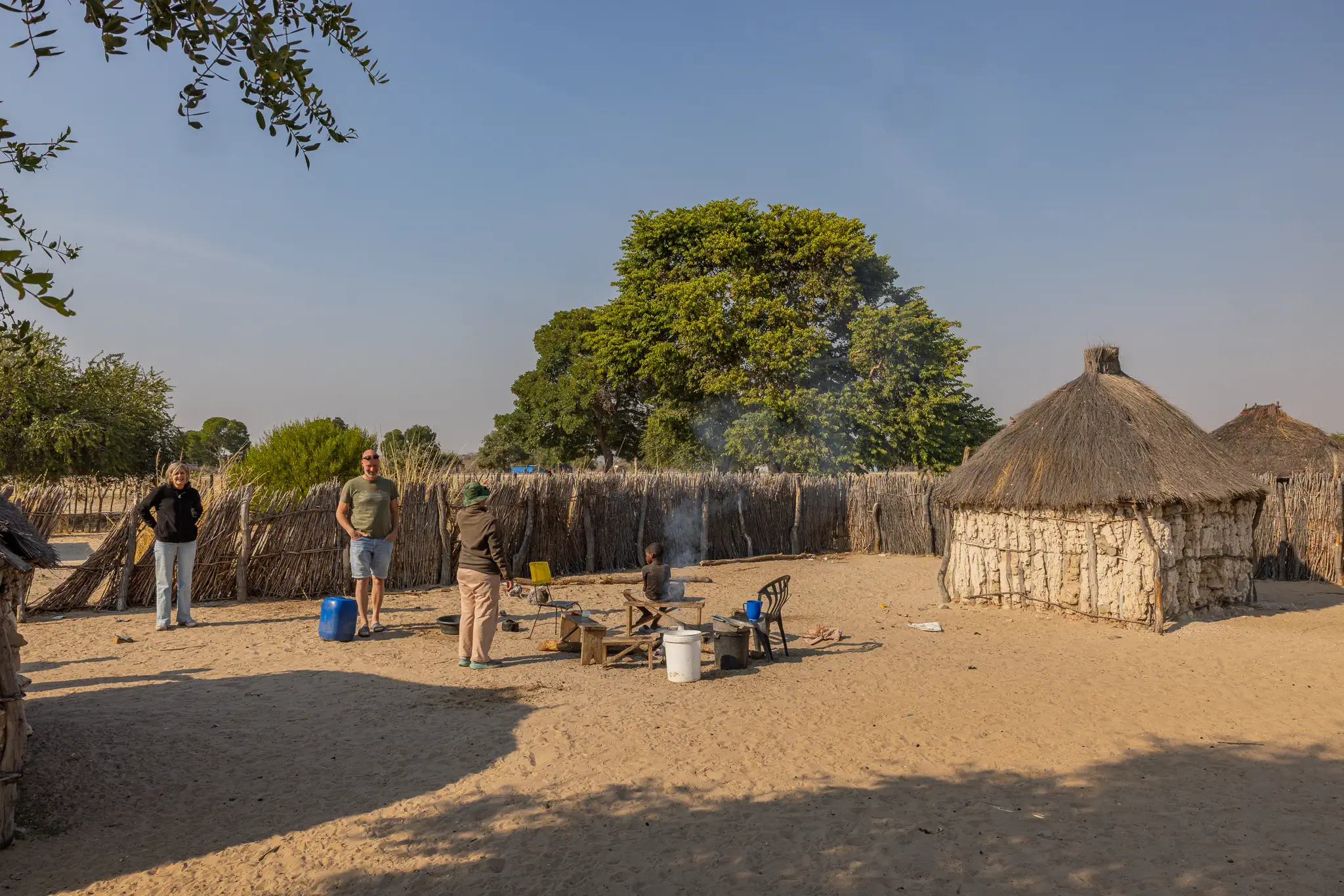
After crossing the veterinary fence north of Grootfontein, the landscape is still recognisably Namibia, but life along the road looks very different. Large commercial cattle and game farms give way to small settlements, communal land and families living in simple homesteads beside a modern tar road.
For me, this transition is an important part of the journey. Namibia is often presented through its extraordinary landscapes, wildlife and comfortable lodges, but travelling through the northeast also reveals a country of striking contrasts.
We are not visiting these communities as part of a cultural programme. We are simply travelling through a lived-in landscape, with people walking to school, tending livestock, collecting water, selling produce beside the road and going about their daily lives.
The journey east is therefore not just a transition between destinations. Long before we reach the Zambezi Region itself, we have already begun to see a very different side of Namibia.
The Kavango River & Mahango
Where the dry country meets the river
The Kavango River marks a dramatic change in the journey east. After travelling through increasingly dry country, we arrive at a landscape of permanent water, riverine forest, floodplains and tall woodland.
The Mahango Core Area is one of my favourite places to explore in northeastern Namibia. Although relatively small, it supports an impressive variety of wildlife, including elephants, buffalo, hippos, crocodiles and numerous antelope species, as well as exceptional birdlife.
What I enjoy about Mahango is its scale. We can explore slowly, return to places where wildlife has been active and spend time beside the river rather than feeling that we need to cover enormous distances.
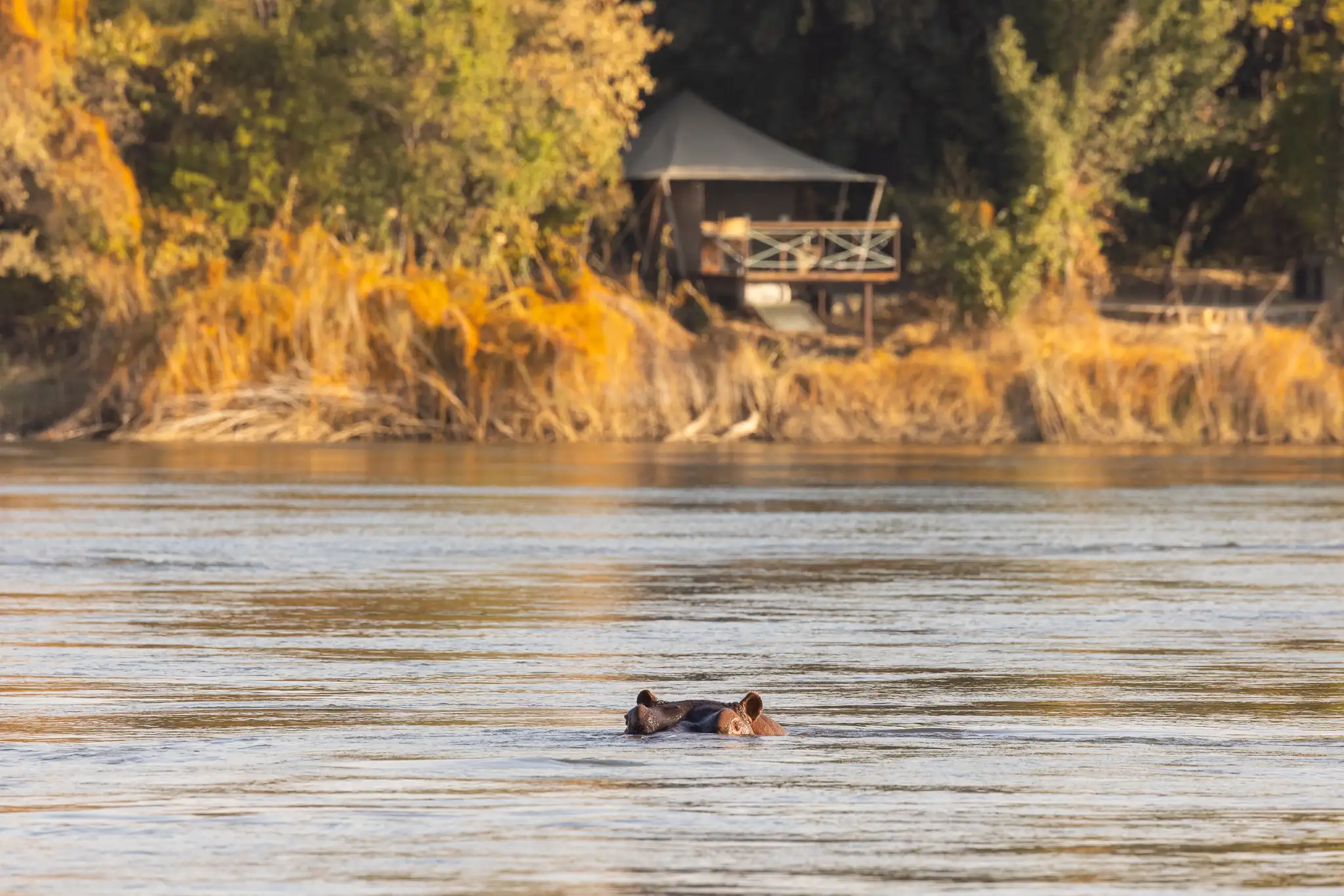
The Kavango itself adds another dimension. A boat trip or mokoro journey changes our perspective completely. From the water, we move quietly between channels and along the riverbanks, watching birds, hippos and other wildlife from a very different viewpoint.
This feels much more specific to your actual journey than my earlier generic Between the Great Rivers section.
Wildlife Without Borders
Part of a much larger landscape
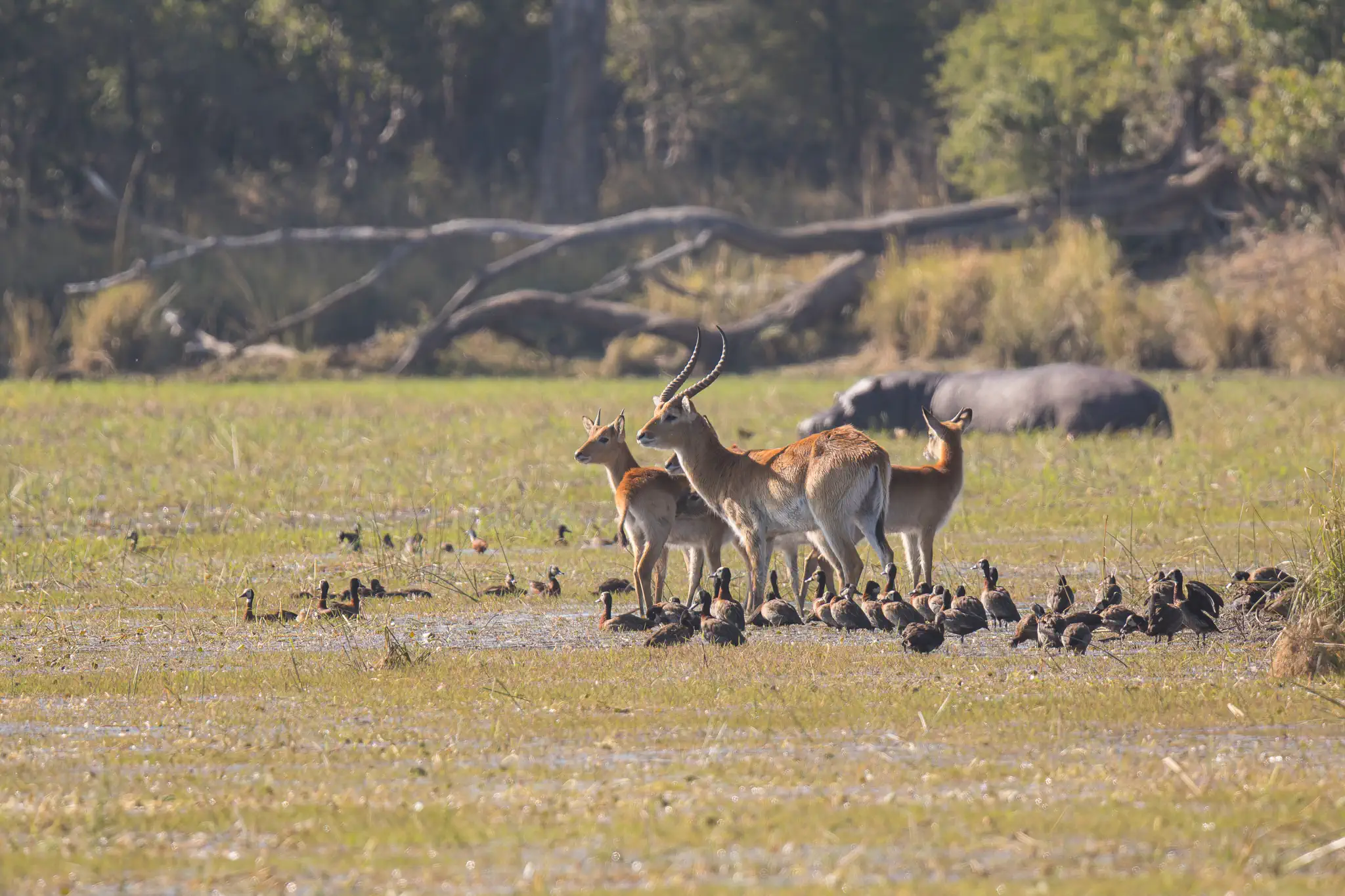
The wildlife of northeastern Namibia is part of a much larger system.
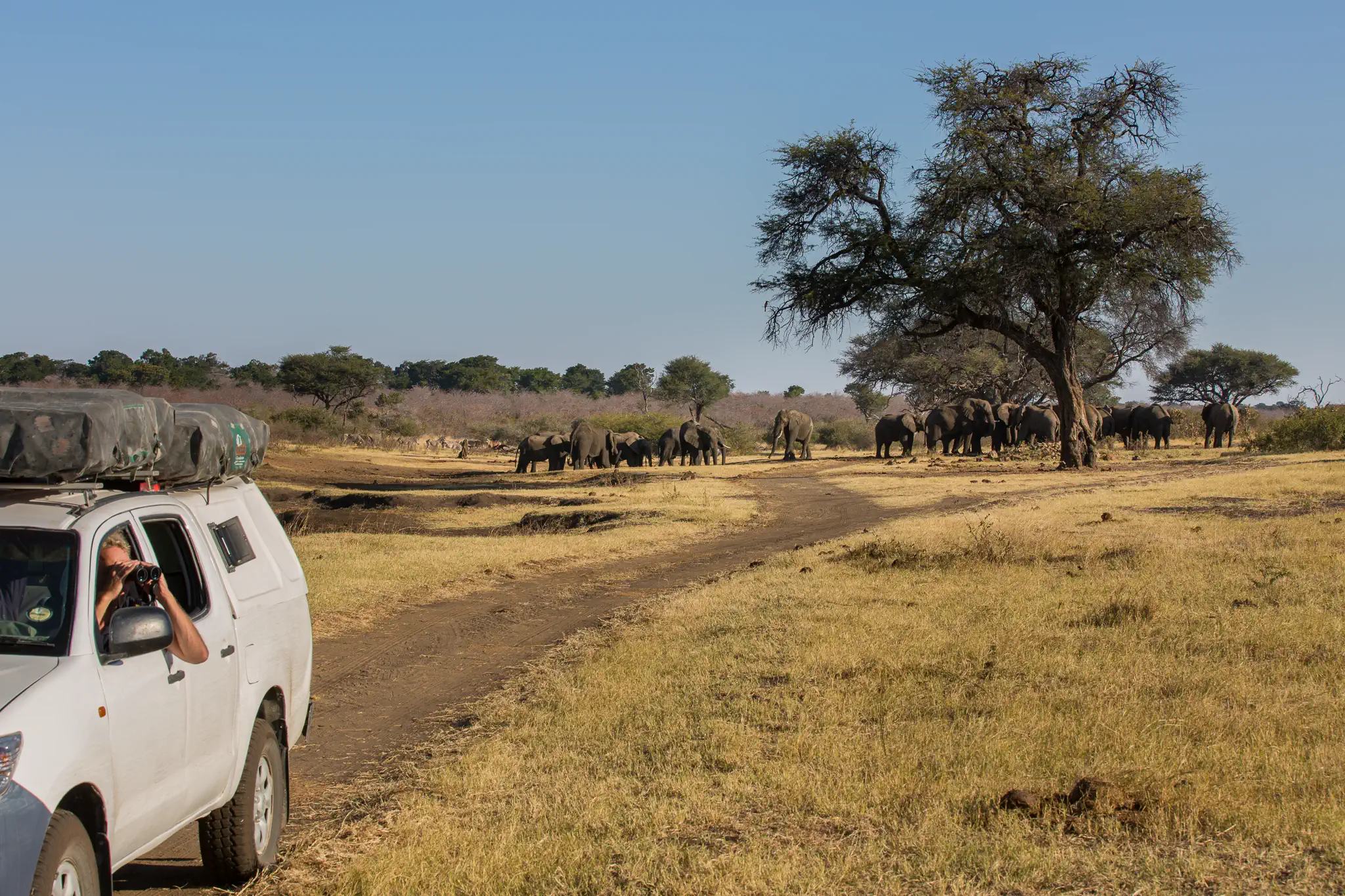
Elephants and other animals move through a landscape that extends beyond Namibia into neighbouring Botswana, Angola and Zambia. Rivers, seasonal floodplains and woodland corridors connect protected areas across international borders.
This makes wildlife encounters less predictable than in a place such as Etosha. Animals are not concentrated around a limited number of permanent waterholes, and their movements change with water levels, rainfall and the seasons.
That uncertainty is part of the attraction. We may encounter elephants crossing the road between feeding areas, buffalo on the floodplains or large herds moving through the woodland. The landscape feels connected and alive in a very different way from the arid regions of western Namibia.
Mudumu & the Kwando River
Woodland, floodplains & quiet exploration
Further east, the landscape changes again around the Kwando River and Mudumu National Park.
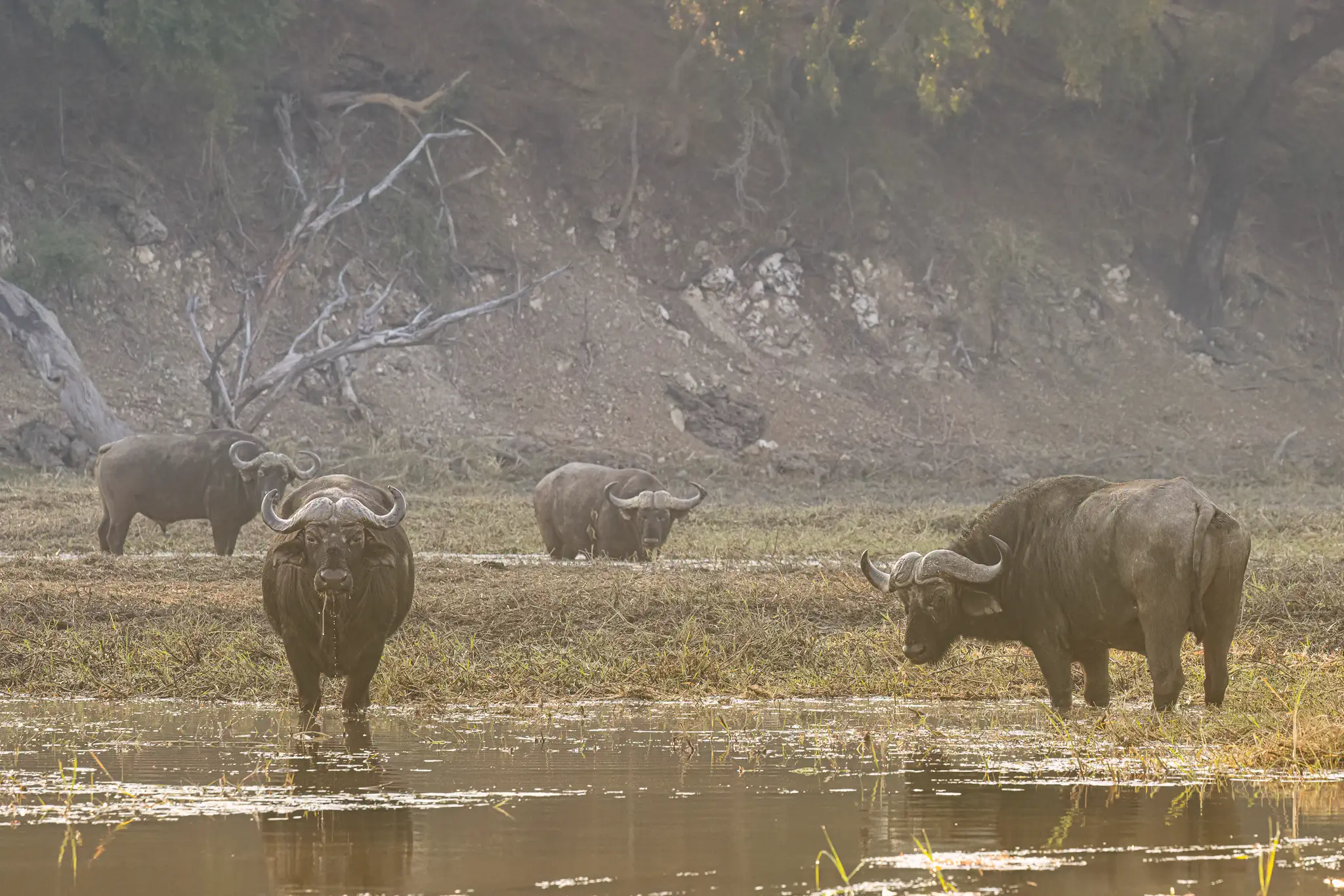
Woodland, open floodplains and river channels create a varied environment for elephants, buffalo, antelope and a remarkable diversity of birds. Compared with Namibia’s larger and better-known parks, exploring here can feel remarkably quiet.
We travel slowly, combining wildlife drives with time beside the river. Conditions change with the seasons, and water levels influence both where animals move and which areas can be explored.
For me, this is part of what makes the northeast so interesting. Within one journey, we move from dry woodland to permanent rivers, floodplains and wetlands, with each area offering a different way of observing wildlife.
From Road to River
Different ways of exploring
Exploring the northeast is not only about wildlife drives.
Some mornings may begin on a sandy track through woodland, looking for elephants or watching for fresh tracks along the road. Later, we may leave the vehicle behind and explore from the water.
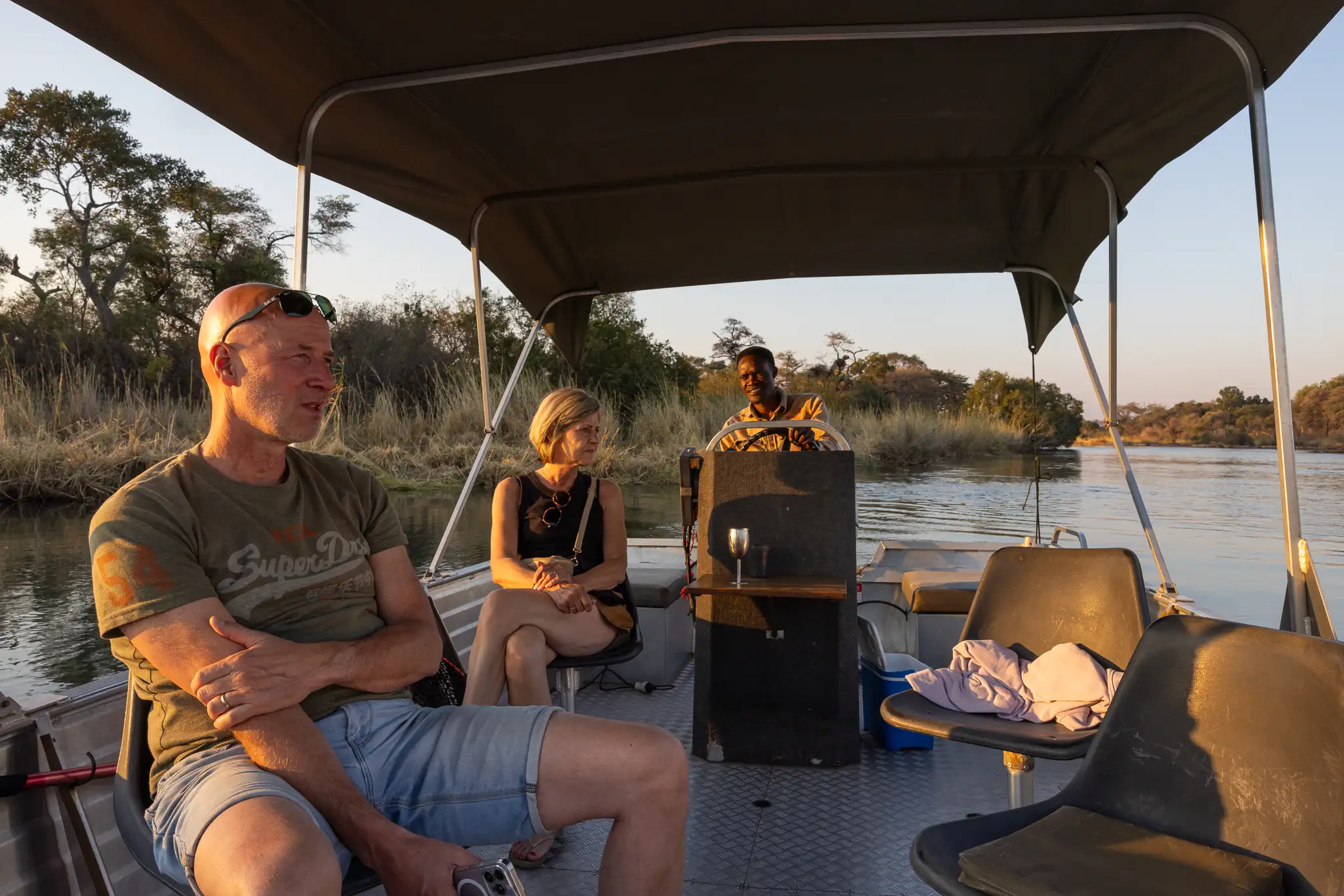
River cruises offer time to watch hippos, crocodiles, elephants and birdlife along the banks, while a mokoro trip brings us even closer to the smaller details of the river environment. Moving quietly through the channels changes the pace completely.
I like the contrast. A vehicle allows us to cover ground and explore different habitats, while time on the water encourages us to slow down and observe the river from a completely different perspective.
No single way of exploring tells the whole story of this region.
A Different Rhythm
Time beside the rivers
The northeast changes the rhythm of a journey through Namibia.
After days of long roads and arid landscapes, there is something very different about staying beside a river. Wildlife comes and goes, birds are constantly active and the changing light across the water becomes part of the day.
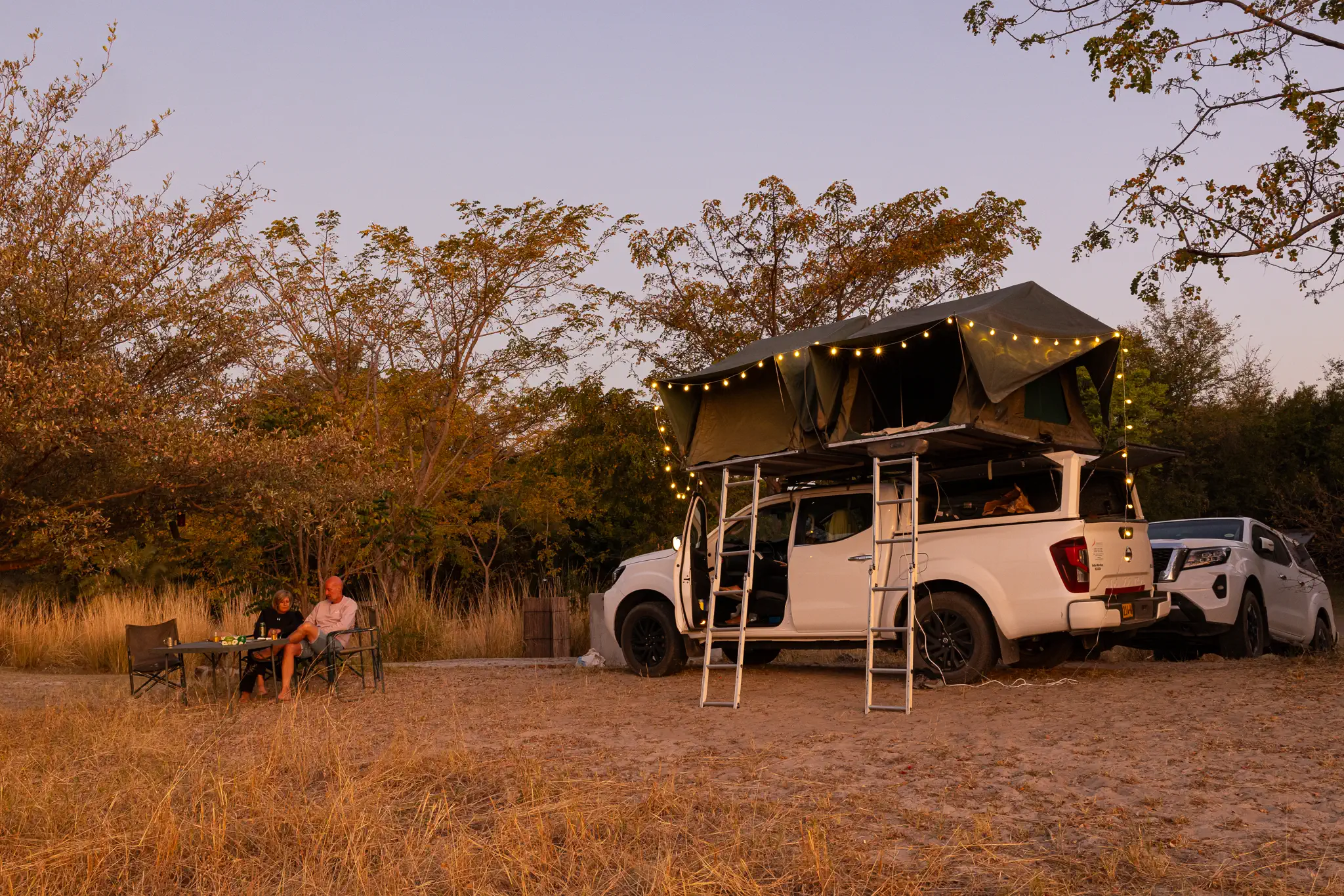
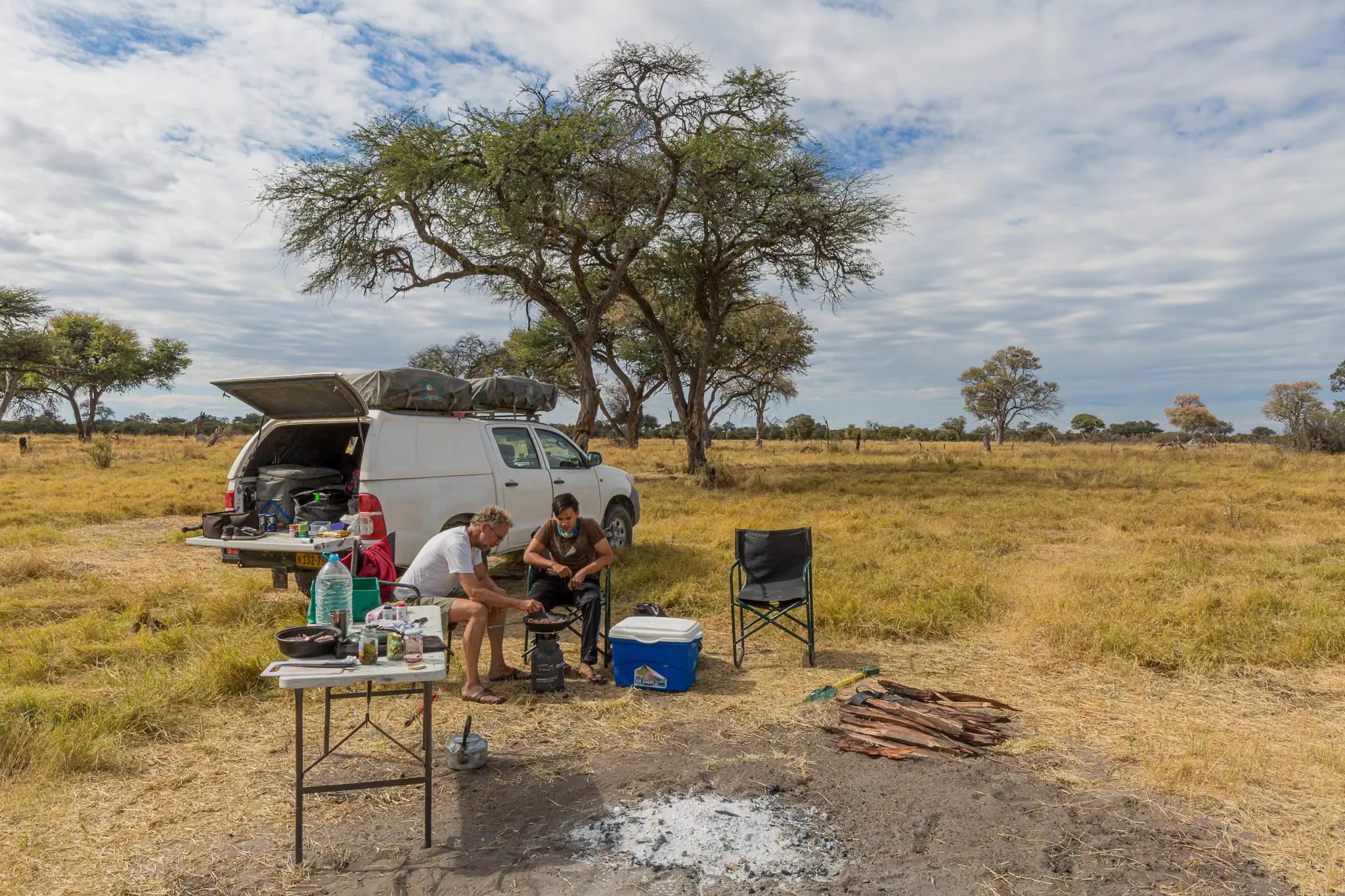
Depending on the route, we may stay at small camps beside the rivers, comfortable lodges or a combination of both. What matters is having enough time to explore on land and water without turning the region into a series of quick stops.
For travellers continuing east, the Zambezi Region can also form part of a wider journey towards Botswana or Victoria Falls. But it is not simply a corridor between better-known destinations. The rivers and wildlife of northeastern Namibia deserve time in their own right.
Beyond the Zambezi
Victoria Falls & journeys into Botswana
For travellers with more time, the journey does not necessarily have to end at the Namibian border.
The Zambezi Region can be combined naturally with a visit to Victoria Falls, or become part of a longer camping expedition through northern Botswana. From the Chobe River, a journey can continue through Savuti and Moremi towards the Okavango Delta, creating an extraordinary circuit through some of southern Africa’s most varied wildlife regions.
This is a journey I particularly enjoy, but it is a different kind of expedition. Botswana’s remote campsites and sandy tracks make it especially rewarding for travellers who enjoy camping and are comfortable spending longer periods in the bush.
A route like this needs enough time. Distances are considerable, conditions vary with the season and some areas require careful planning. But for the right traveller, combining Namibia’s northeast with Botswana creates a journey that feels naturally connected rather than like several destinations joined together.
Victoria Falls can also be included without continuing through Botswana, making it possible to combine the rivers and wildlife of northeastern Namibia with one of the region’s most remarkable natural landmarks.
Continue Exploring
I’ve photographed this region over many journeys through Namibia. If you’d like to continue exploring, you’ll find a personal travel story and an extensive photo gallery on Duniart.
Personal observations and experiences from the field.
A curated collection of landscapes, wildlife and moments from Zambezi.
Is the Zambezi Region for You?
The Zambezi Region will appeal to travellers who want to see a very different side of Namibia.
It offers wildlife, exceptional birdlife and a landscape shaped by rivers rather than deserts. Wildlife drives can be combined with boat trips and mokoro journeys, while the route east reveals contrasts in both landscape and daily life that are very different from the rest of the country.
For travellers continuing east from Etosha National Park, the journey into the northeast can form part of a longer expedition beyond Namibia’s familiar routes.
If you enjoy wildlife but also want to understand how water, seasonal flooding and movement connect a much larger ecosystem, the northeast adds an entirely different dimension to a journey through Namibia.