
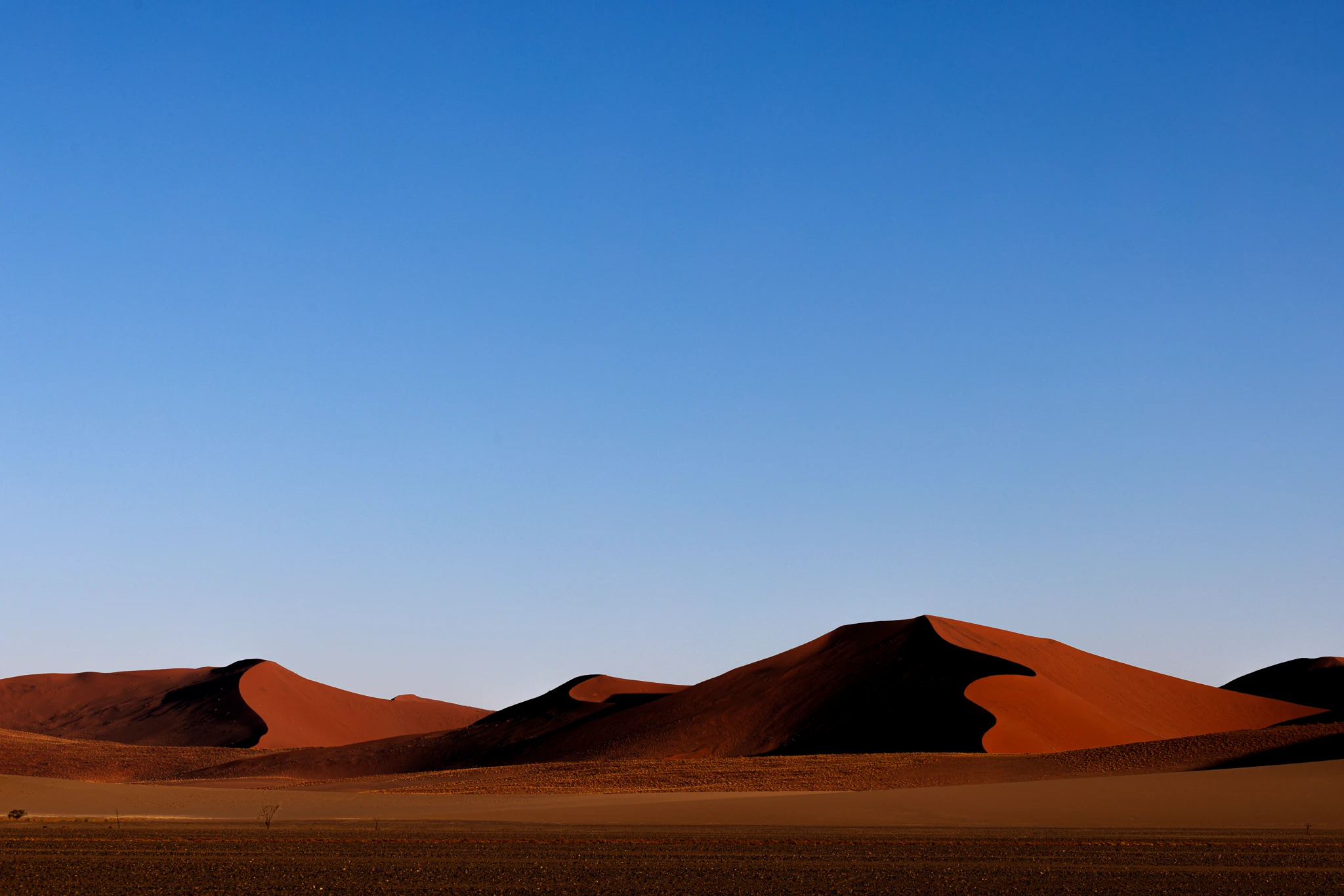
Discover
Namibia’s iconic landscapes,
wildlife and remarkable diversity —
at a pace that allows the country
to reveal itself naturally.
A Classic Journey, Travelled Differently
This journey brings together many of Namibia’s best-known landscapes and wildlife regions, but it is about more than moving from one famous destination to the next.
The route has evolved through repeated journeys across Namibia, travelling its remote roads and returning to the same places in different seasons and under changing conditions. It follows a natural rhythm, with enough time to explore each region rather than simply passing through it.
Along the way we may walk among the dunes of Sossusvlei, explore the desert ecosystem around Swakopmund and Walvis Bay, watch the first light reach the granite peaks of Spitzkoppe, follow dry riverbeds through Damaraland, or spend time watching wildlife around the waterholes of Etosha National Park.
Although the journey follows a clear route, there is always room for flexibility. We may stop because the light has changed, stay longer because wildlife is active, or change the day because an unexpected opportunity gives us a reason to.
Classic Namibia is not about seeing as much as possible. It is about giving each place enough time, while allowing the journey between them to become part of the story.
He knows the highlights, but lets each day unfold.
Stan, Marielle, Camil & Jens — Namibia & Botswana, 2026
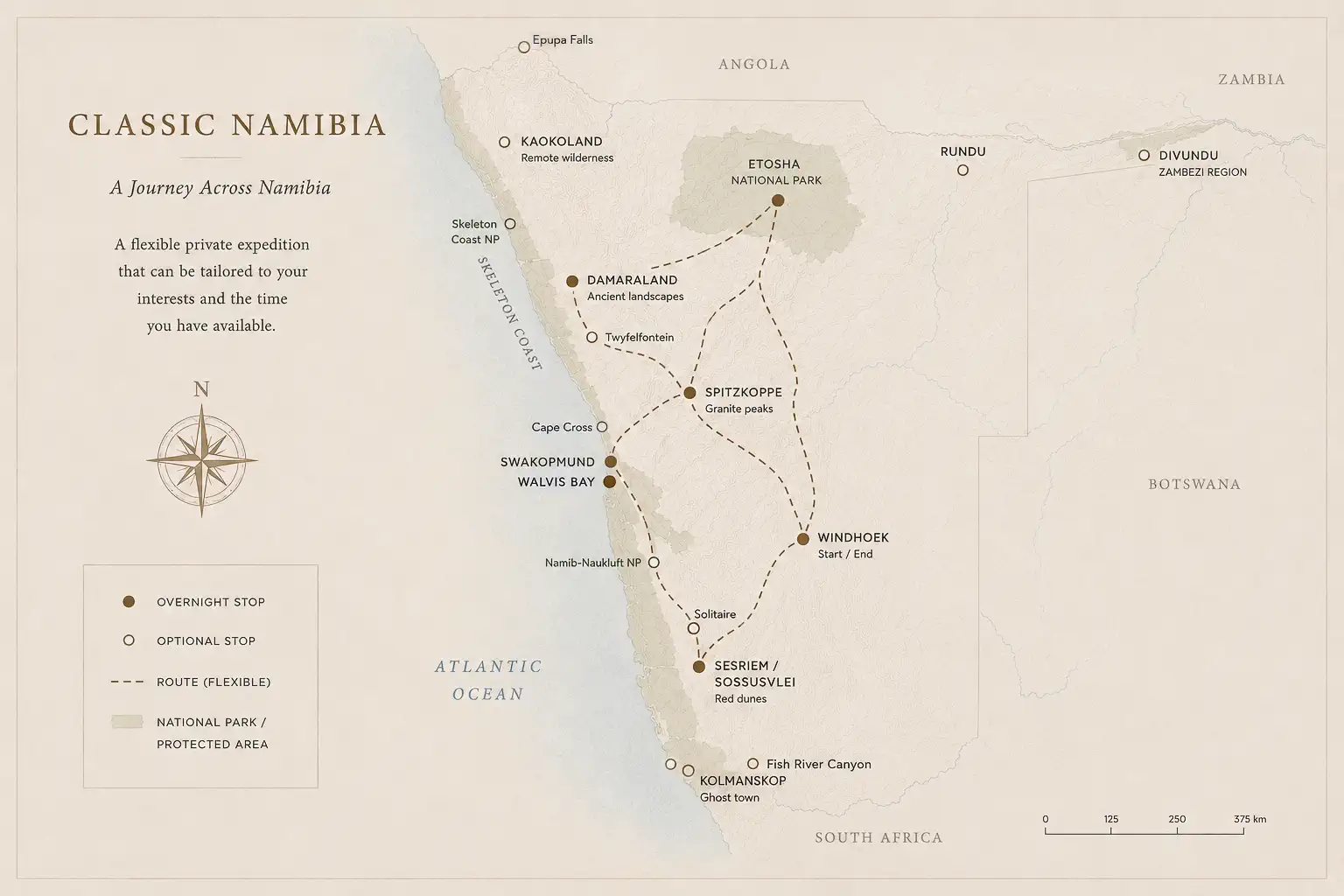
From the towering dunes of the Namib and the Atlantic coast to the ancient landscapes of Damaraland and the wildlife-rich plains surrounding Etosha, this journey crosses some of Namibia’s most distinctive regions.
The map below shows the broad journey and the places that form the Classic route. The exact route can vary with the season, conditions and time available, but the journey follows the same broad arc across the country.
The Namib Desert
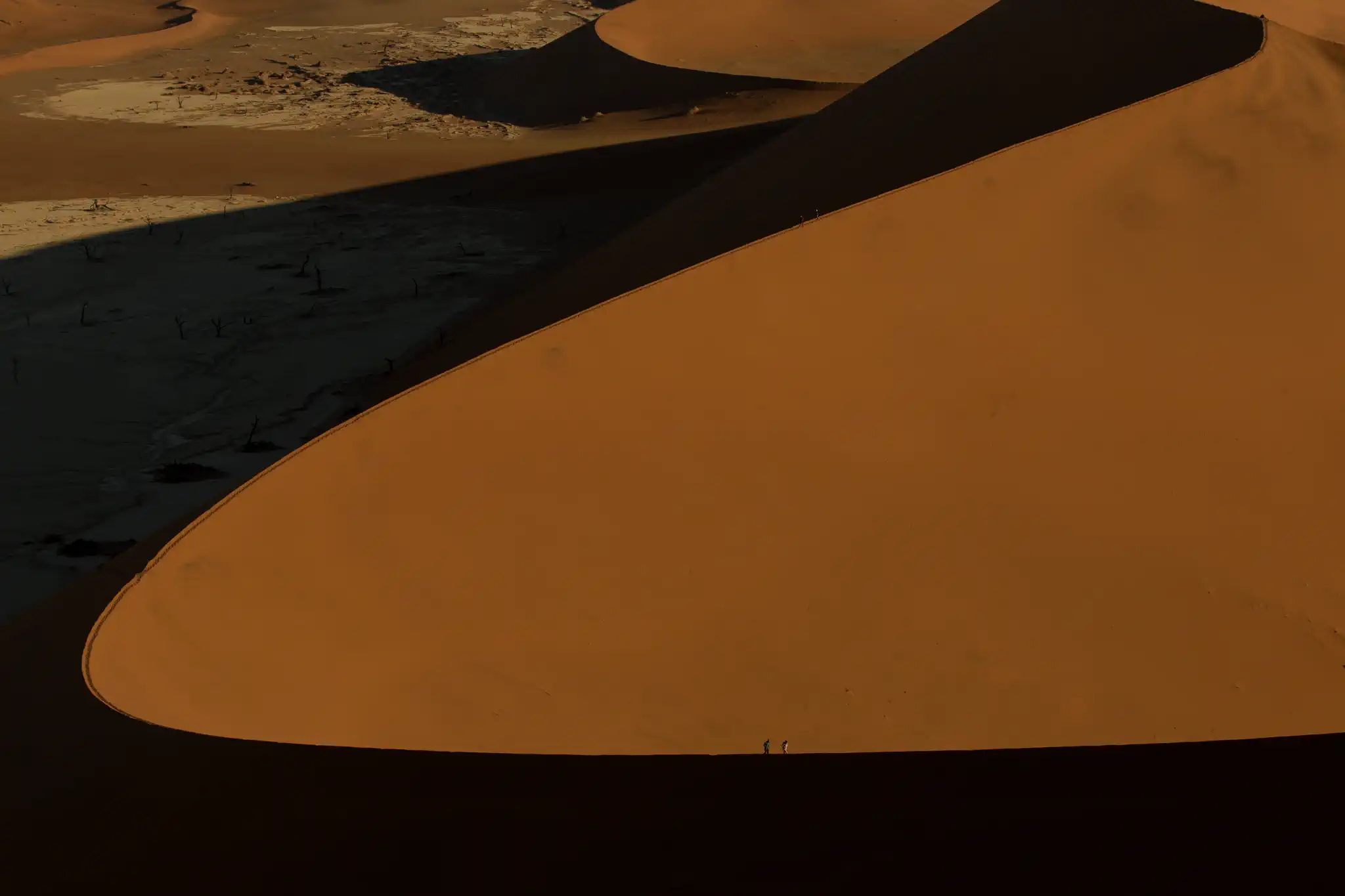
The journey into Sossusvlei and Deadvlei follows the Tsauchab River valley deep into the Namib, between dunes that rise increasingly high above the desert floor.
These are among Namibia’s most recognisable landscapes, but photographs give only a limited sense of their scale. Walking across Deadvlei, climbing a dune or simply watching shadows move across the sand reveals a landscape that changes continuously with the light.
There is no need to rush directly to the end of the road. We give Sossusvlei enough time to walk, explore and stop along the way, paying attention not only to the famous viewpoints but also to the smaller signs of life in the desert.
Where desert meets ocean
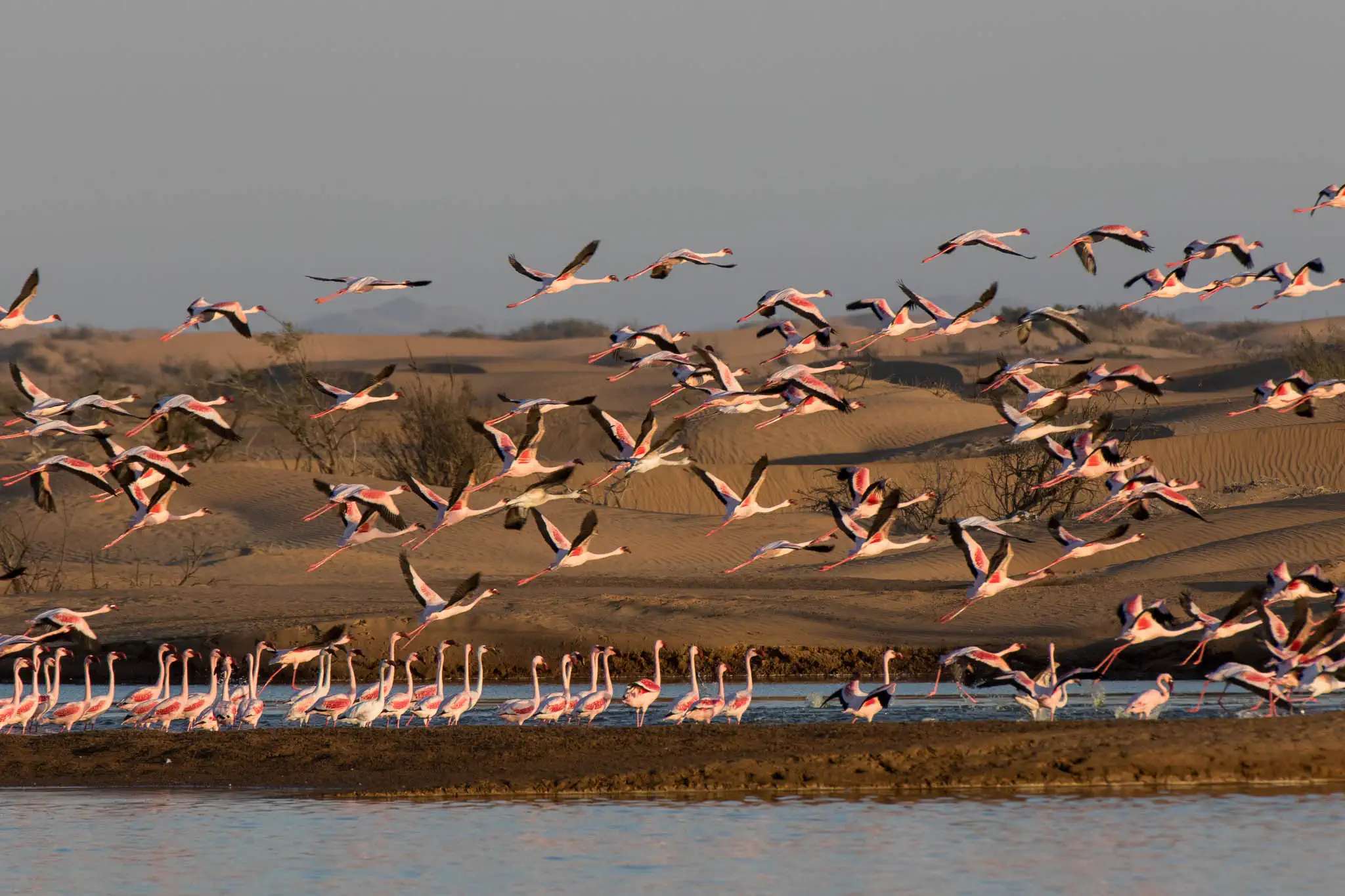
After the dry interior of the Namib, Swakopmund and the Atlantic coast bring a complete change of landscape and atmosphere.
Around Walvis Bay, lagoons and shallow coastal waters support flamingos and other waterbirds, while seals gather along the coast and a surprising variety of smaller animals survives among the dunes.
Depending on your interests, we may explore the desert in search of geckos, snakes and other small creatures adapted to life in the sand, kayak near Pelican Point, spend time around the wetlands of Walvis Bay, or simply enjoy a slower day in Swakopmund before continuing north.
Granite mountains, ancient landscapes & desert-adapted wildlife
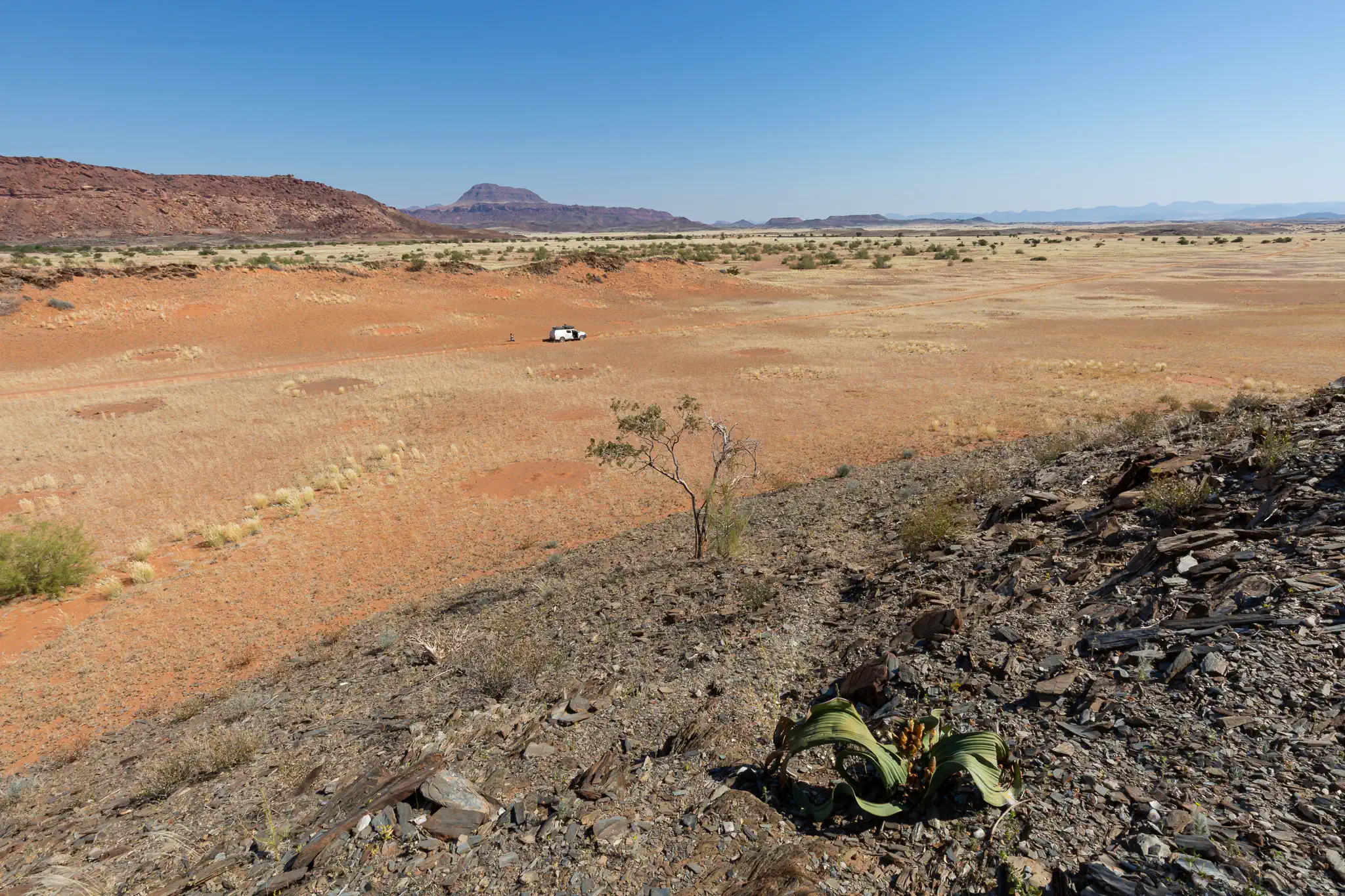
Travelling north from the coast, the landscape changes again. The granite peaks of Spitzkoppe rise abruptly from the plains, while further north the open country of Damaraland stretches towards mountains, dry river systems and some of Namibia’s most sparsely populated landscapes.
Spitzkoppe is a place to slow down. We can walk among the granite formations, explore rock-art sites and watch the light change across the mountains towards evening and again at sunrise.
Further north, Damaraland becomes larger and wilder. Depending on the route and conditions, we may follow dry riverbeds in search of desert-adapted elephants, visit the rock engravings at Twyfelfontein, or travel through landscapes where the distances between settlements become steadily greater.
This part of the journey is as much about the country we travel through as the destinations themselves.
Wildlife around the great salt pan
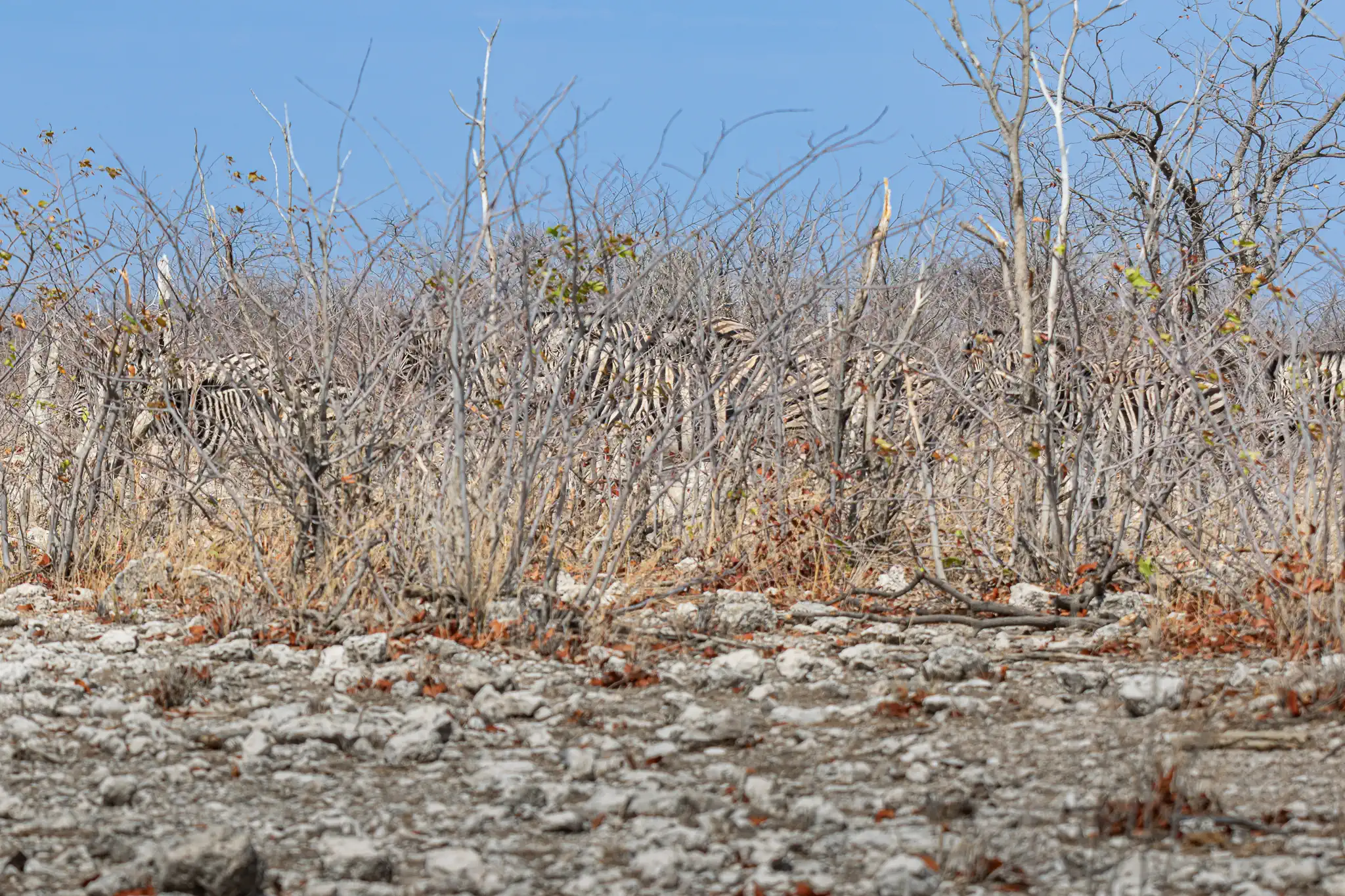
Etosha National Park is one of southern Africa’s great wildlife regions. Around the vast salt pan, natural and artificial waterholes draw animals from the surrounding plains and woodland, particularly during the dry season.
Every visit to Etosha is different. Wildlife movements change with the seasons and conditions, and patience often matters more than distance travelled. Rather than trying to visit every waterhole, we respond to what is happening.
If elephants are gathering, we stay. If a quiet waterhole begins to attract wildlife towards evening, there is no reason to leave simply because another place was written into the plan.
This slower approach gives us time to watch behaviour and allows encounters to unfold naturally, whether elephants are arriving to drink, lions are resting beside a waterhole or a black rhino appears after dark.
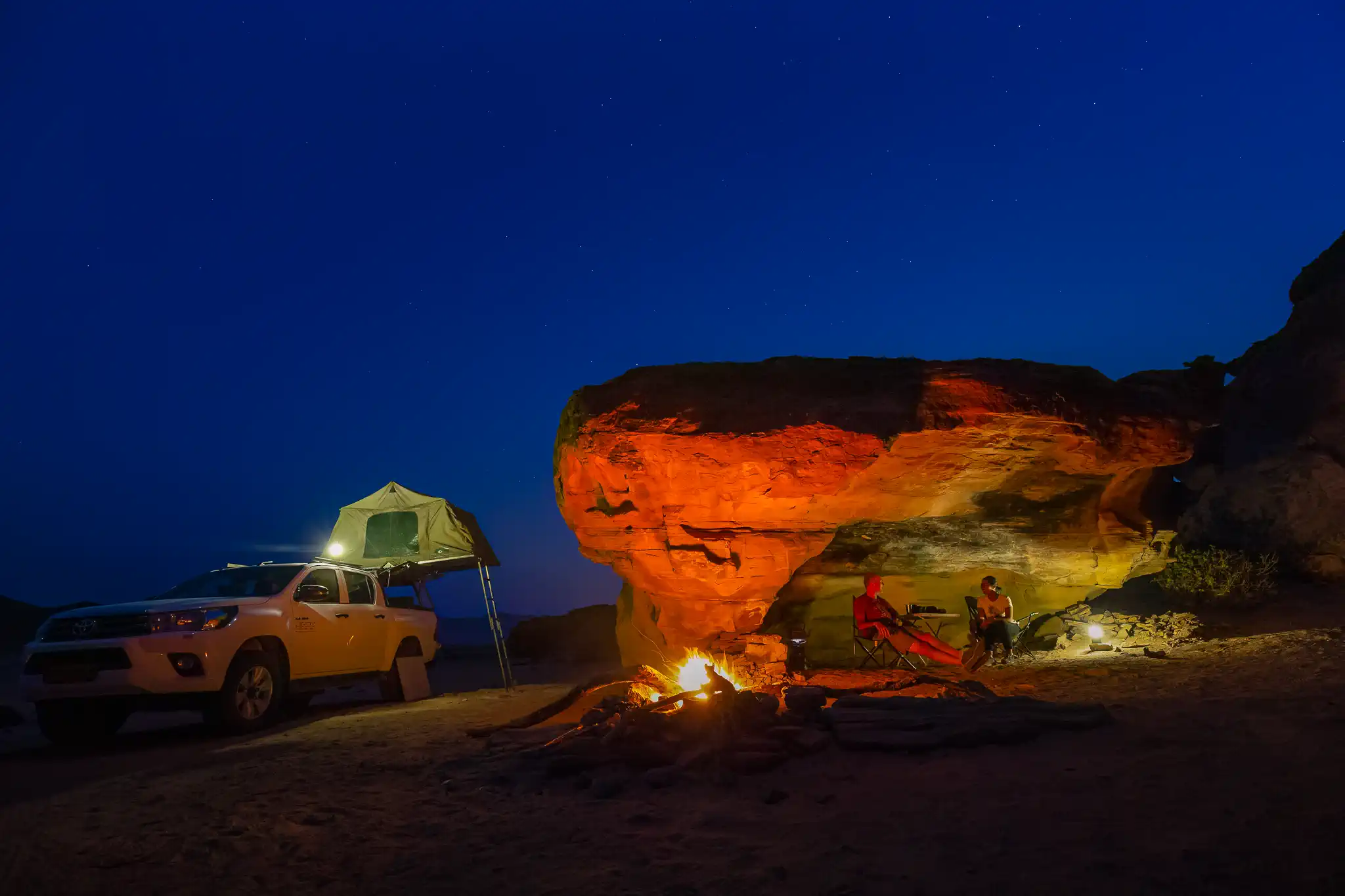
Classic Namibia is for travellers who want to discover the country’s best-known landscapes and wildlife regions without rushing from one highlight to the next.
What matters is curiosity, a willingness to spend time in each place and an interest in the journey between destinations as well as the destinations themselves.
For a first visit to Namibia, this journey provides a broad introduction to the country. For returning travellers, it can also form the basis of a more focused journey, spending longer in particular regions or connecting with places beyond the Classic route.
If you are looking for a fast-paced itinerary that tries to see everything, this probably is not the right journey. But if you prefer to slow down, pay attention and allow some room for the unexpected, we will probably enjoy travelling together.
In 2018, I travelled this route myself on a four-week expedition through Namibia — camping, driving long distances and allowing the itinerary to change when something unexpected appeared.
The Classic Namibia route provides a starting point, not a fixed itinerary. You can explore the destinations yourself, see how they connect, and decide which places deserve more of your time.